Silent Crisis: Identifying the Root Causes of Noise in Deep Groove Ball Bearings
2026-01-05
In the industrial world, sound is more than just a byproduct of motion—it is a diagnostic language. When a Deep Groove Ball Bearing begins to hum, chirp, or growl, it is signaling a deviation from mechanical health. For news reporters covering the manufacturing and maintenance sectors, understanding these acoustic red flags is essential to reporting on industrial efficiency and safety.
While these bearings are designed for smooth, quiet operation, several factors can turn a silent workhorse into a noisy liability.
1. Contamination: The "Crunch" of Foreign Particles
The most common cause of bearing noise is the ingress of solid particles or moisture. Even microscopic dust can wreak havoc when trapped between the ball and the raceway.
-
The Sound: A gritty, irregular "crunching" or "scratching" noise.
-
The Science: As the balls roll over contaminants, they create microscopic indentations (pitting) on the raceway. This disrupts the smooth film of lubrication, leading to metal-on-metal contact.
2. Lubrication Failure: The High-Pitched Squeal
Lubrication is the lifeblood of a bearing. Noise often arises not just from a lack of grease, but from using the wrong type or having too much of it.
-
Under-Lubrication: Results in a consistent, high-pitched metallic whistling.
-
Over-Lubrication: Can cause "churning," where the internal friction of the grease itself generates heat and a muffled, heavy thumping sound.
-
Degradation: Over time, grease can oxidize or dry out, losing its ability to separate moving parts.
3. Improper Installation and "Brinelling"
A "news-worthy" fact that many technicians overlook is that noise is often "built-in" during assembly.
-
False Brinelling: If a bearing is subjected to vibrations while stationary (such as during shipping), it can develop permanent indentations.
-
True Brinelling: Occurs when a technician uses excessive force on the wrong ring during installation, "denting" the raceway.
-
The Sound: A rhythmic, low-frequency thumping or vibration that increases in intensity with shaft speed.
[Image showing the difference between False Brinelling and True Brinelling in ball bearings]
4. Misalignment and Improper Loading
If the shaft and the housing are not perfectly concentric, the balls do not roll centrally in the "deep groove." Instead, they ride up the edges of the raceway.
-
The Result: This uneven load distribution creates a "howling" sound.
-
Technical Impact: Misalignment significantly increases internal temperature, leading to rapid seal failure and grease leakage.
5. SEO Optimization Checklist for This News Feature
| SEO Element | Content Strategy |
| H1 Headline | Causes of Noise in Deep Groove Ball Bearings: A Diagnostic Guide |
| Focus Keywords | Bearing noise causes, DGBB vibration, lubrication failure sound, brinelling noise |
| E-E-A-T Factor | Links mechanical symptoms to specific engineering failures. |
| Target Audience | Maintenance Managers, Automotive Technicians, Mechanical Engineers. |
6. The Future of Silent Machinery
As we move toward a "Green Industry," the demand for low-noise bearings is skyrocketing. Manufacturers are now utilizing Acoustic Testing Chambers and laser-guided raceway finishing to ensure that deep groove ball bearings meet the strict decibel requirements of the electric vehicle (EV) and home appliance markets.
In the end, a noisy bearing is a warning of energy waste. By identifying these sounds early, companies can move from reactive repairs to predictive maintenance, saving both money and mechanical integrity.
RELATED NEWS
-
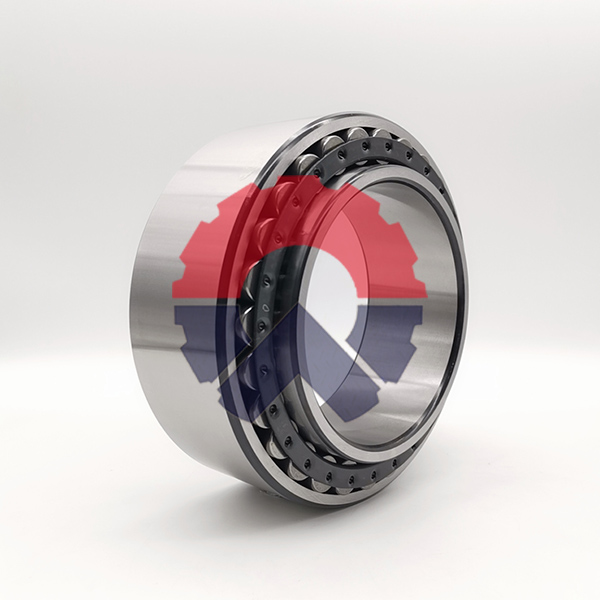
How to Select the Right ADAPT High Load Bearings for Heavy-Duty Equipment
Selecting the right bearing is an important step when designing or maintaining heavy-duty industrial equipment.
-
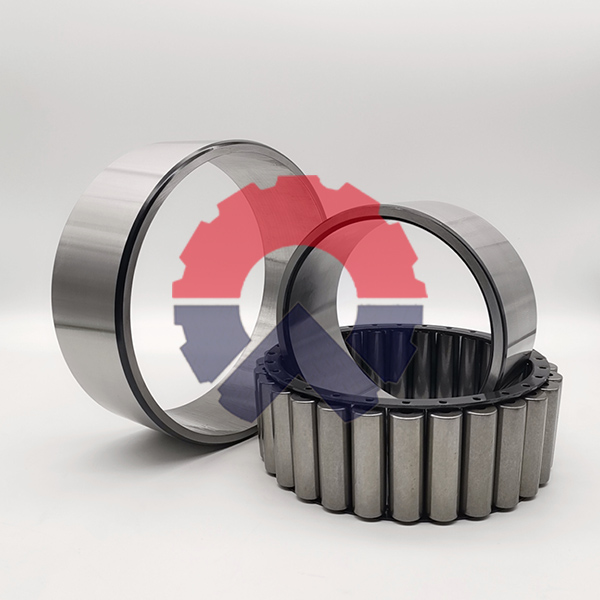
Why Choose ADAPT High Load Bearings for Heavy-Duty Machinery?
Heavy-duty machinery requires components that can withstand demanding operating conditions. Bearings are particularly important because they support rotating shafts and help transfer loads between moving components.
-
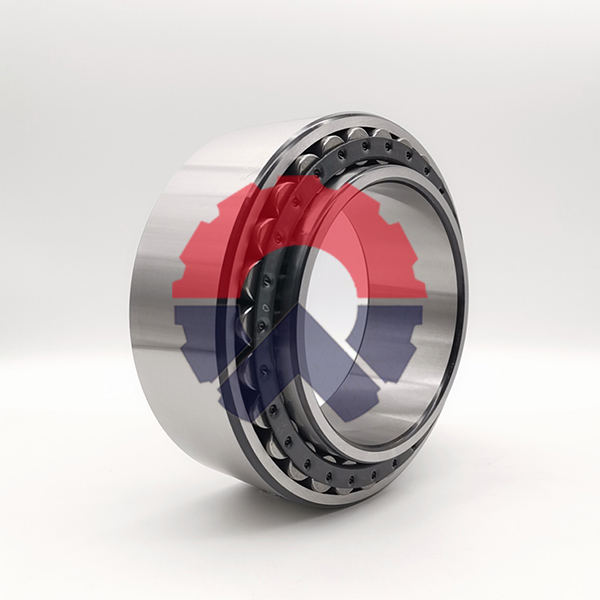
ADAPT High Load Bearings for Demanding Industrial Applications
In modern industrial equipment, bearing performance directly affects machine reliability, operating efficiency, and maintenance costs.
-
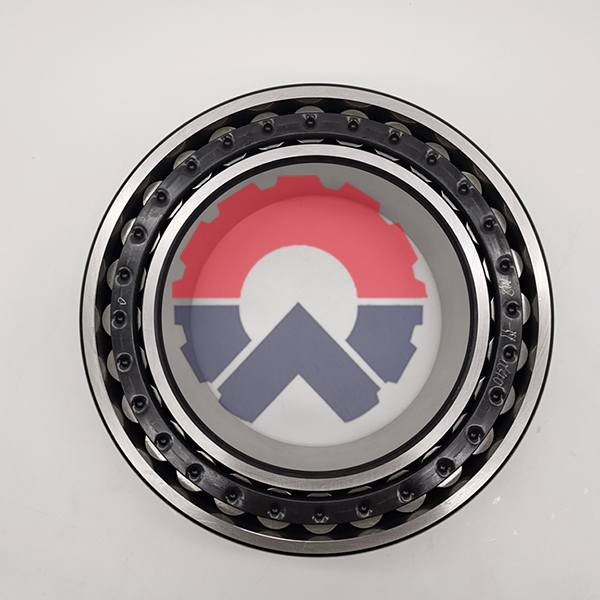
How Does ADAPT High Load Bearing Design Reduce Friction
In the world of heavy industrial machinery, friction is the silent enemy of efficiency and longevity. As demands for higher load capacities and longer service intervals increase, standard bearing designs often fall short. This is where the ADAPT high load bearing design steps in. But how exactly does this innovative architecture manage to reduce friction while supporting immense weight?
-
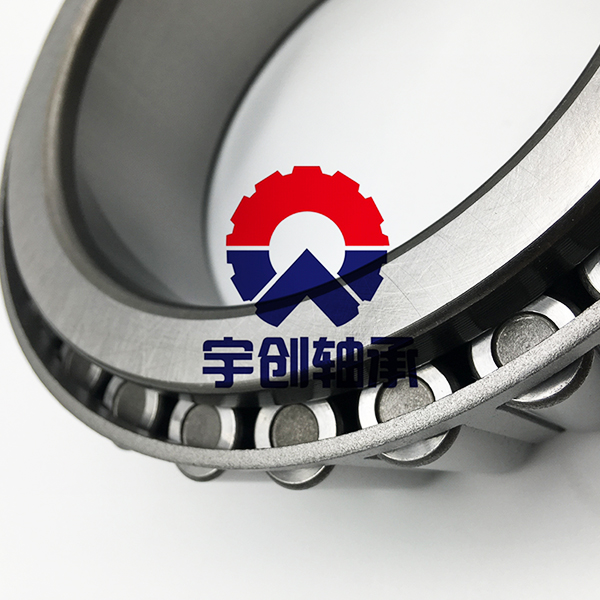
What Are Taper Roller Bearings Used For
Taper roller bearings play a critical role in modern mechanical systems where heavy loads and precise motion control are required. Widely used across industrial, automotive, and transportation sectors, these bearings are specifically designed to handle demanding operating conditions. From an industry news perspective, their continued adoption reflects the growing need for durability, load capacity, and reliability in high-performance equipment.
-
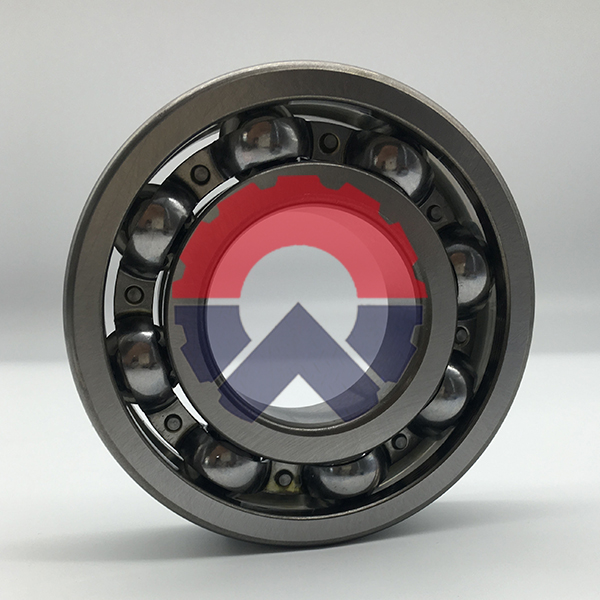
What Is a Deep Groove Ball Bearing
Deep groove ball bearings are among the most widely used rolling bearings in the global machinery and equipment industry. Known for their simple structure and reliable performance, they are a fundamental component in countless mechanical systems. From a manufacturing and engineering news perspective, understanding what a deep groove ball bearing is helps explain why it remains essential across so many applications.
-

Expanding Applications of Deep Groove Ball Bearings Across Modern Industries
Deep groove ball bearings continue to play a vital role in modern industrial development, thanks to their versatile design, reliable performance, and cost efficiency. As one of the most widely used bearing types, their applications span multiple sectors, reflecting ongoing demand for components that combine durability with high rotational accuracy.
-
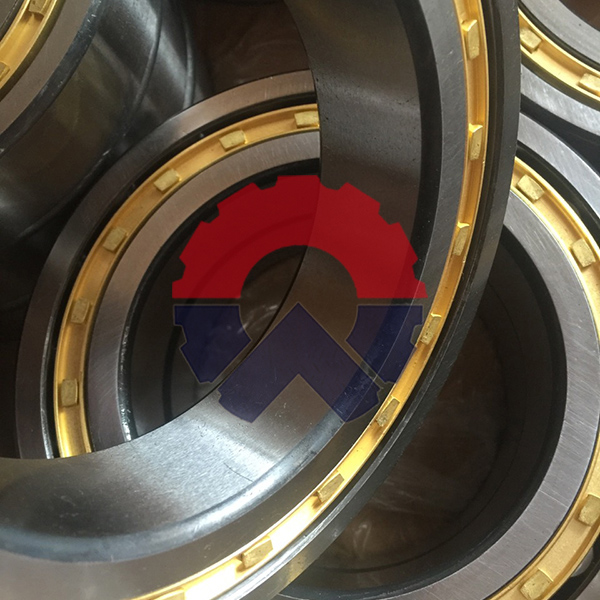
Special Application Bearings Gain Momentum in Demanding Industrial Environments
As industries push equipment to operate under more extreme conditions, special application bearings are becoming a critical focus in manufacturing and engineering news. Unlike standard bearings designed for general use, these specialized components are engineered to perform reliably in environments where heat, corrosion, and heavy loads would quickly cause conventional bearings to fail.
-
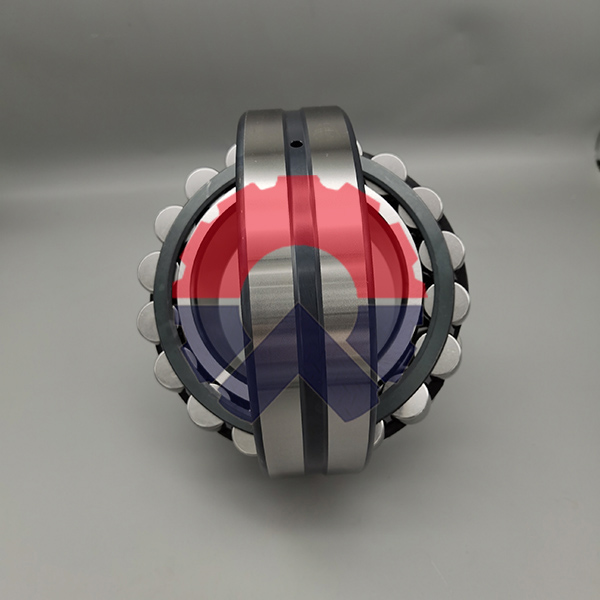
Open vs Sealed Spherical Roller Bearing: Which Is Better for High Heat?
In high-temperature industrial environments, choosing the right bearing type is critical for reliability, safety, and service life. Spherical roller bearings are commonly used in heavy-duty machinery due to their high load capacity and self-aligning capability. However, when operating under high heat, engineers often face a key question: open vs. sealed spherical roller bearing— which is better for high heat?
-
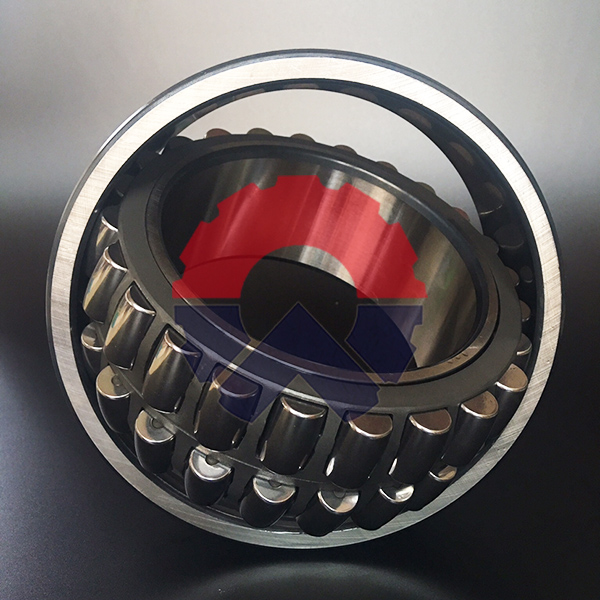
How to Lubricate an Open Spherical Roller Bearing
Proper lubrication is essential to ensure the reliable operation and long service life of an open spherical roller bearing. These bearings are widely used in heavy-duty industrial equipment, where they are exposed to high loads, vibration, and challenging environments. Understanding how to lubricate them correctly can significantly reduce wear, prevent premature failure, and improve overall equipment performance.
-
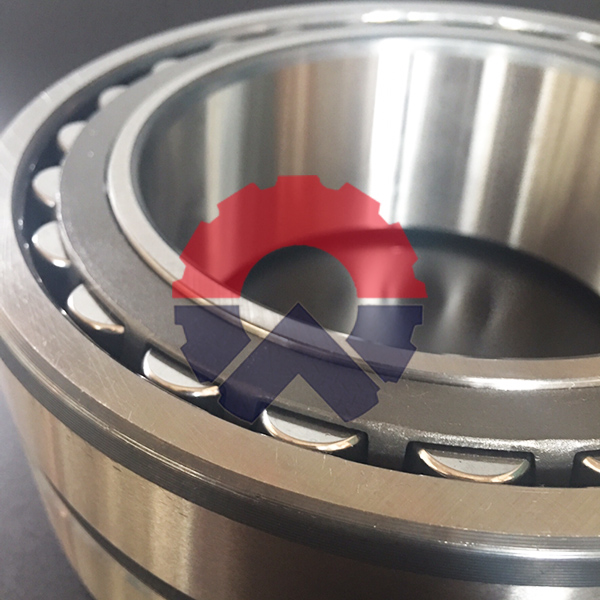
What Is the Main Application of an Open Spherical Roller Bearing
In heavy-duty mechanical systems, reliable performance under extreme loads and misalignment is essential. The open spherical roller bearing is specifically designed to meet these challenges, making it a critical component in many industrial applications. Known for its high load capacity and self-aligning capability, this type of bearing plays a key role in equipment that operates under harsh and demanding conditions.
-
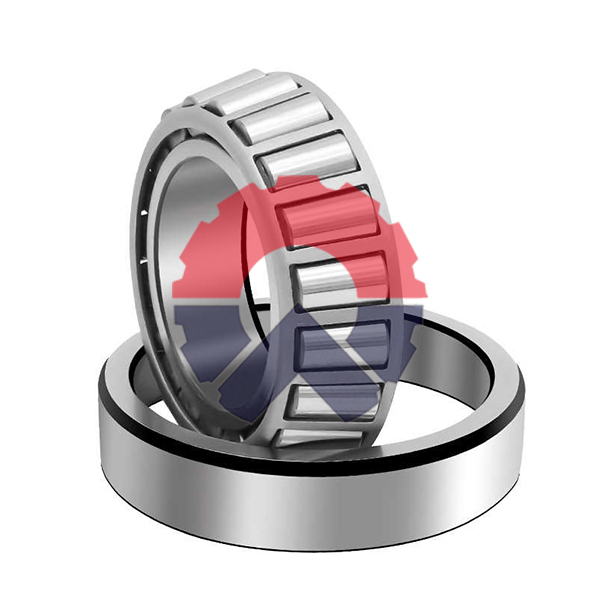
What Is ADAPT High Load Bearings
As modern industries continue to push the limits of equipment performance, the need for bearing solutions that can handle extreme loads and demanding operating conditions has grown rapidly. ADAPT High Load Bearings have emerged as a specialized solution designed to meet these challenges, offering enhanced load capacity, durability, and operational reliability across a wide range of applications.
-
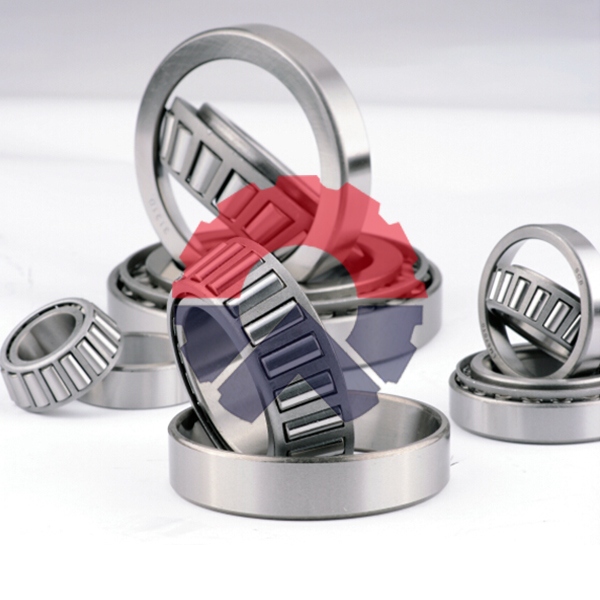
Applications of Tapered Roller Bearings in Modern Mechanical Systems
As industries continue to demand higher performance, durability, and reliability from mechanical components, tapered roller bearings have become a critical element in a wide range of applications. Designed to handle both radial and axial loads simultaneously, these bearings are widely used in automotive, industrial, and heavy-duty machinery where stability and long service life are essential.
-
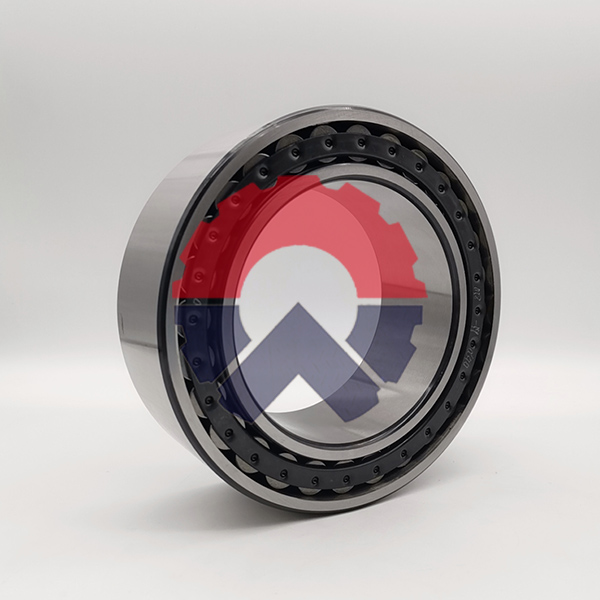
Applications of ADAPT High Load Bearing Systems in Modern Infrastructure
As urban development and industrial construction continue to evolve, the demand for structural systems that can safely support heavy loads while offering design flexibility has grown significantly. ADAPT high load bearing solutions are increasingly recognized for their versatility and reliability across a wide range of applications, from commercial buildings to complex industrial facilities.
-
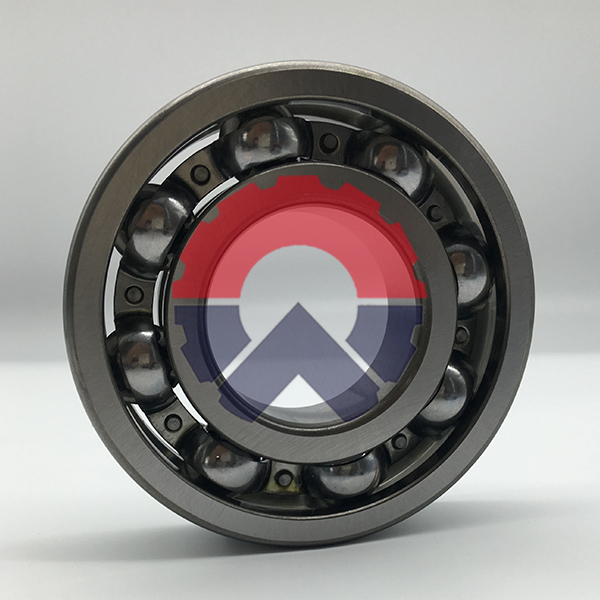
How to Properly Install a Deep Groove Ball Bearing: A Definitive Guide for Industrial Longevity
In the world of precision engineering, the difference between a machine that lasts a decade and one that fails in a month often comes down to a few millimeters and a bit of patience. While Deep Groove Ball Bearings (DGBB) are celebrated for their durability, industry data suggests that nearly 16% of all premature bearing failures are caused by poor fitting or incorrect installation techniques.
-

The Silent Workhorse: Why Deep Groove Ball Bearings Remain the Backbone of Modern Industry
In the high-tech world of AI and robotics, it is easy to overlook the mechanical components that make motion possible. Yet, one piece of hardware continues to dominate the global manufacturing landscape: the Deep Groove Ball Bearing (DGBB).
-
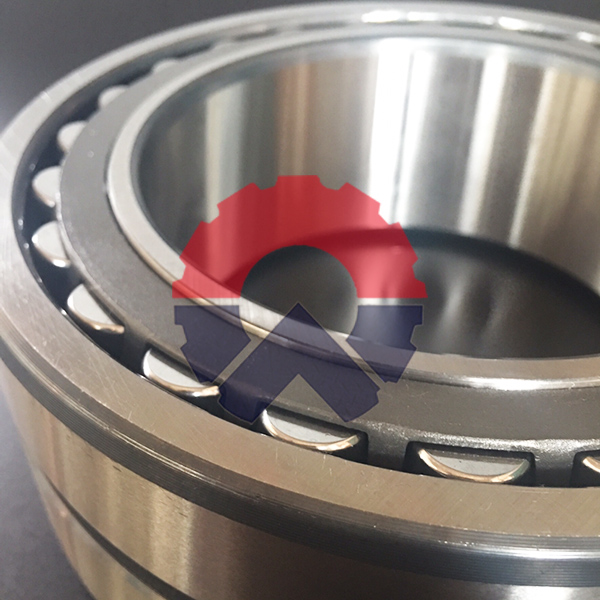
Open Spherical Roller Bearings: Revolutionizing Heavy-Duty Machinery Applications
Open spherical roller bearings are gaining increased attention in heavy‑duty machinery and industrial sectors due to their superior performance under challenging conditions. Designed with two rows of rollers and a self-aligning capability, these bearings effortlessly manage misalignment, high radial loads, and moderate axial forces—making them a popular choice in demanding environments.
-
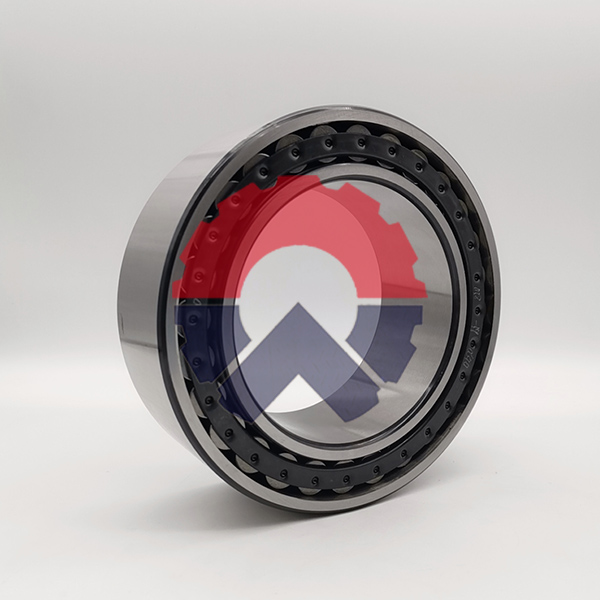
High Load Bearing Sector Bearings: Enhancing Industrial Strength and Performance
In the evolving world of heavy-duty machinery and high-performance equipment, high load bearing Sector bearings are becoming indispensable components across various industries. These specialized bearings are designed to endure extreme loads, resist wear, and maintain stability in challenging environments—making them ideal for applications in mining, metallurgy, marine systems, and large-scale industrial machinery.
-
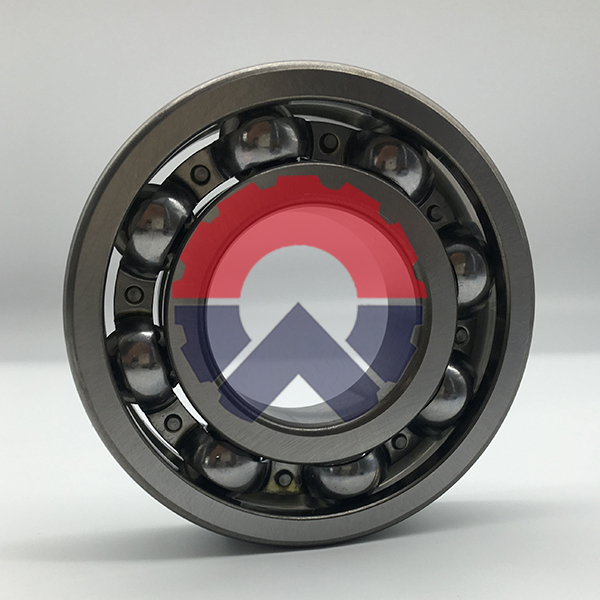
What Are the 4 Types of Bearings
Bearings play a fundamental role in modern engineering, enabling smooth motion, reducing friction, and extending the life of machinery. But what are the four main types of bearings, and how do they differ in function and application?
-
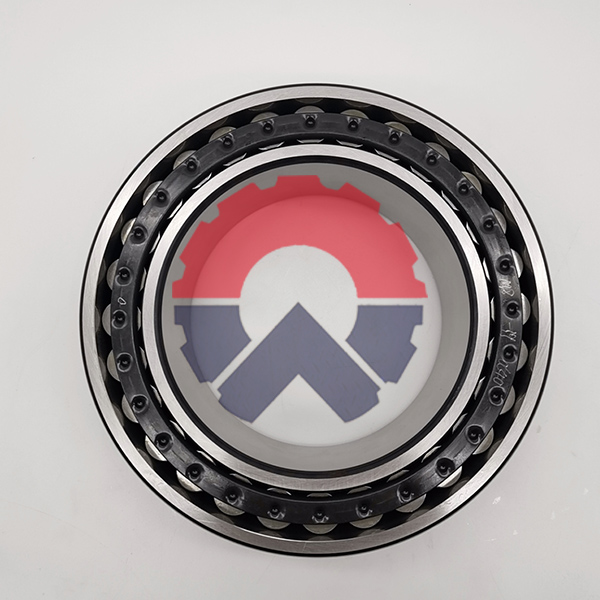
ADAPT High Load Bearings: Redefining Reliability in Heavy-Duty Industrial Applications
The industrial sector is experiencing a shift toward higher-capacity and more resilient components, and ADAPT High Load Bearings are leading the charge. Engineered by industry expert Yuchuang, these bearings deliver unparalleled performance in demanding environments—particularly in metal casting, steel production, and paper milling.
-
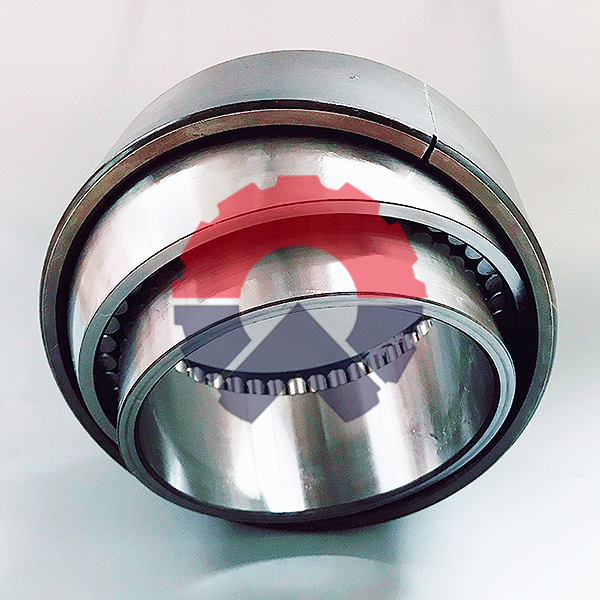
What Is RUB Series Bearings
RUB series bearings represent a specialized class of high-precision bearings designed for compact, high-speed, and high-rigidity applications. Known for their robust construction and low-friction operation, RUB series bearings are widely used in CNC machinery, robotics, spindle systems, and precision instruments where space is limited but performance is non-negotiable.
-
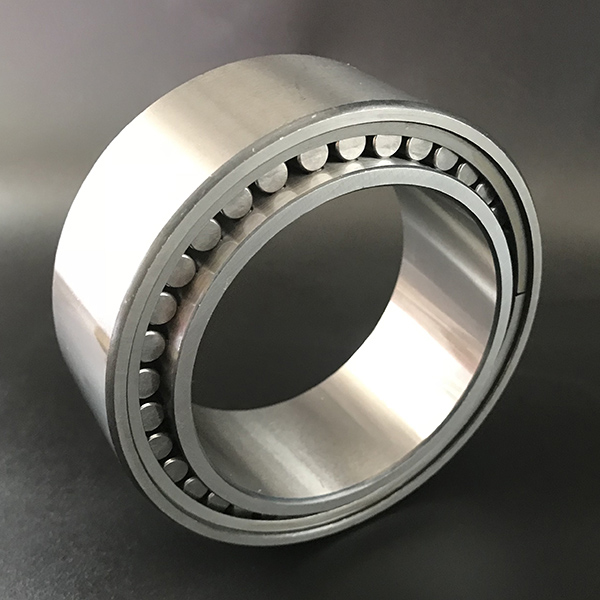
CoCaB Cylindrical Roller Bearings: Enhancing Performance Across Heavy-Duty Applications
As industries push the boundaries of speed, load capacity, and durability, the demand for advanced bearing solutions continues to rise. At the forefront of this innovation is the CoCaB cylindrical roller bearing, engineered to deliver exceptional performance in high-load and high-speed environments.
-
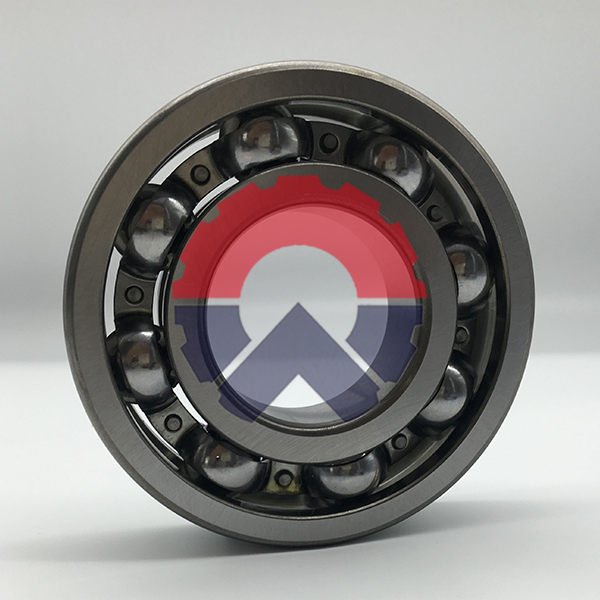
Yuchuang Bearing: One of the Leading Deep Groove Ball Bearing Manufacturers Driving Global Reliability
In the world of precision machinery and high-performance engineering, deep groove ball bearings play a vital role. As demand surges across sectors like automotive, industrial automation, agriculture, and electric motors, Yuchuang Bearing continues to emerge as one of the most reliable and innovative deep groove ball bearing manufacturers in the global market.
-
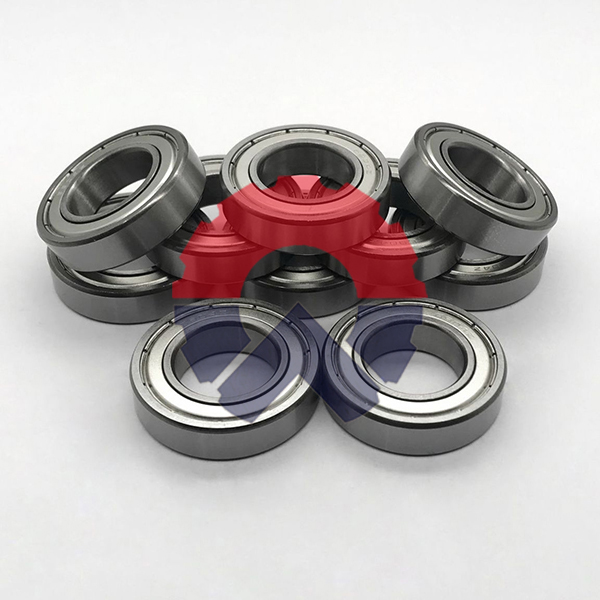
What Is a Deep Groove in a Ball Bearing? Understanding the Design That Drives Performance
Deep groove ball bearings are among the most widely used bearing types in the world, but what exactly does the term “deep groove” mean? At its core, the deep groove refers to the geometry of the bearing's inner and outer raceways—precision-engineered channels that allow balls to roll smoothly while maintaining precise alignment under radial and axial loads.
-
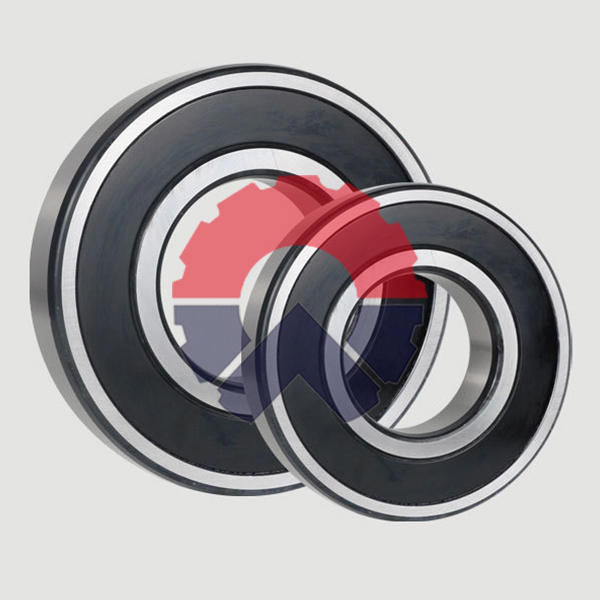
Why Use Deep Groove Ball Bearings? The Reliable Choice for Versatile Applications
In the world of mechanical design, choosing the right bearing can make or break system efficiency. Among the many options available, deep groove ball bearings have become the go-to solution for engineers and manufacturers across diverse industries. But why are they so widely used?
-
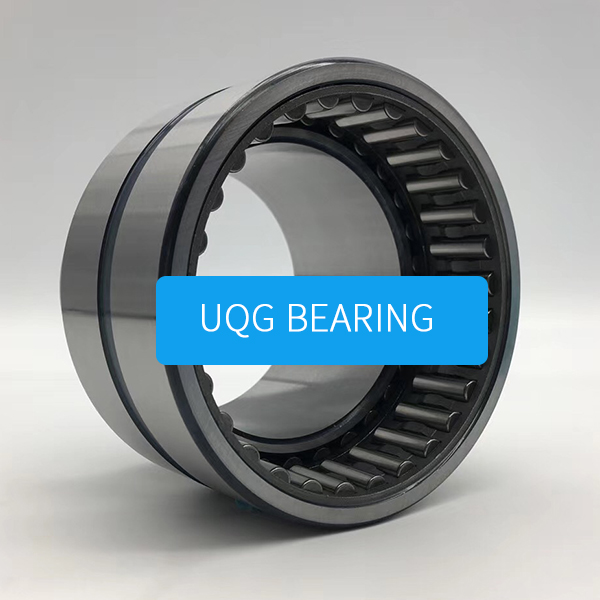
Should Needle Bearings Be Greased?
Needle bearings, a type of roller bearing, are widely used in various mechanical systems where space is limited, yet high load-bearing capacity is required. These bearings consist of long, thin rollers (needles) that have a high surface area in contact with the raceways. As with most types of bearings, proper lubrication is essential to ensure smooth operation, reduce friction, and prolong the bearing’s lifespan.
-
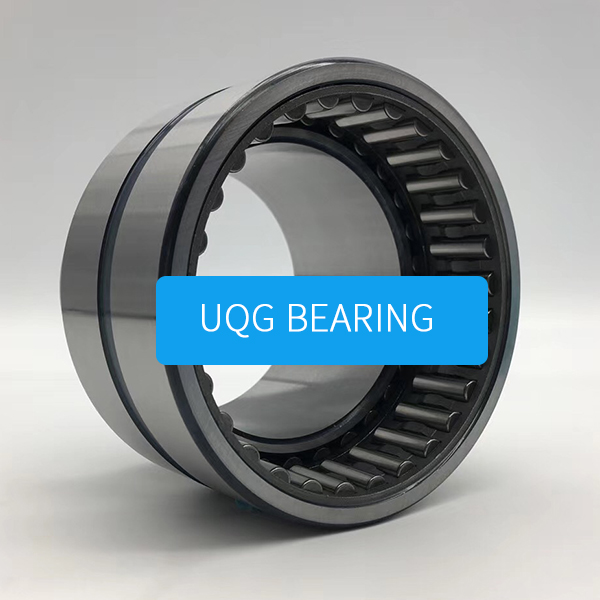
What Is the Difference Between a Roller Bearing and a Needle Bearing?
Roller bearings and needle bearings are both essential components in machinery, but they differ in design, functionality, and applications. Understanding these differences can help in selecting the right bearing for specific tasks.
-
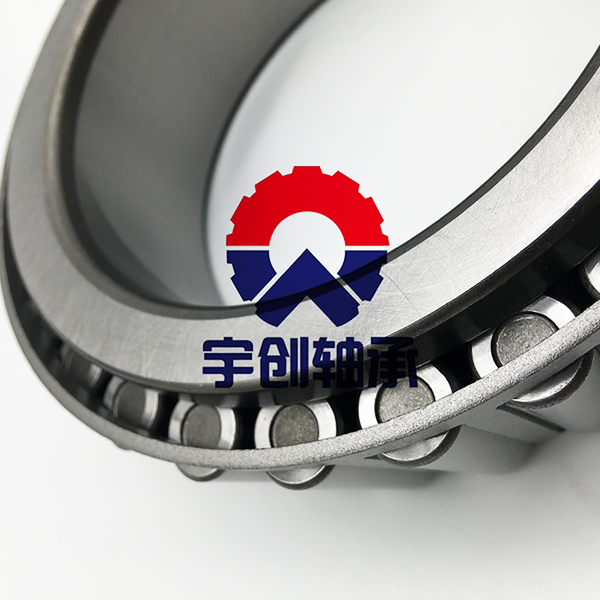
What Load Is a Taper Roller Bearing Used For?
Taper roller bearings are engineered to handle combined loads, meaning they can simultaneously accommodate both radial and axial forces. Their unique conical design allows them to excel in applications where precision and strength are essential, especially under heavy or fluctuating loads.
-
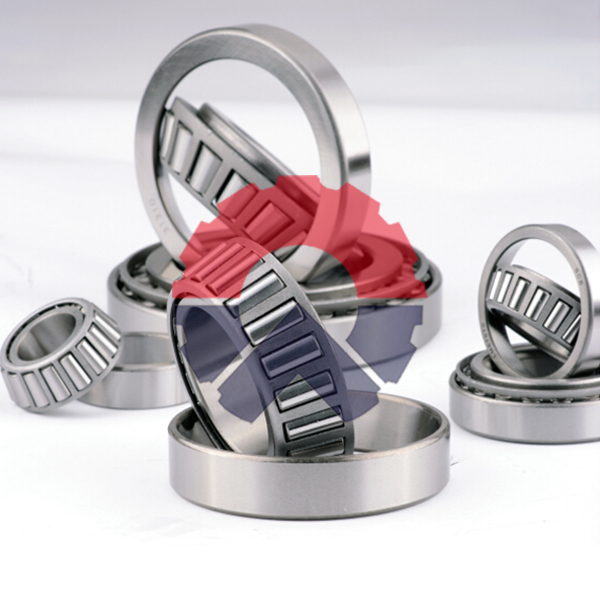
Which is the Most Preferred Use of Taper Roller Bearings?
Tapered roller bearings are renowned for their ability to handle both radial and axial loads, making them essential components in a wide variety of heavy-duty applications. Unlike other bearing types, their unique design, which includes tapered rollers that make contact with the raceways at an angle, allows them to efficiently manage combined forces. But what is the most preferred use of tapered roller bearings? Let's explore the applications where these bearings truly excel.
-
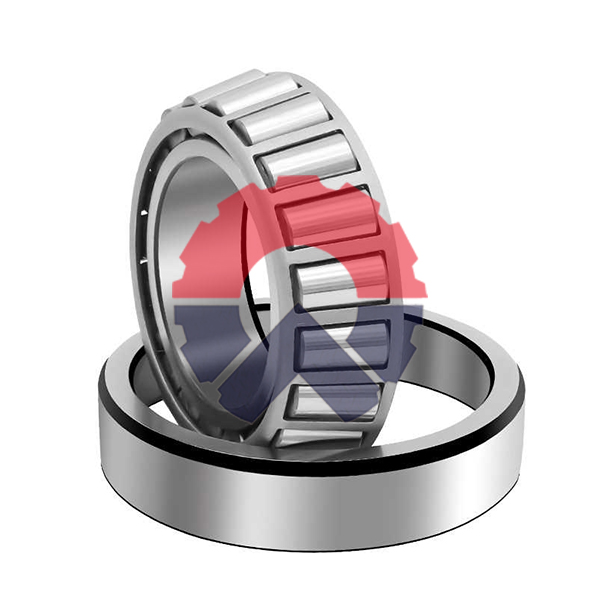
What Are Tapered Roller Bearings Used For?
Tapered roller bearings are specialized mechanical components designed to handle combined radial and axial loads efficiently. Their unique tapered design, with conical inner and outer ring raceways, allows them to support heavy loads and perform well under high stress. This makes them a critical choice for demanding applications in industries ranging from automotive to heavy machinery.
-
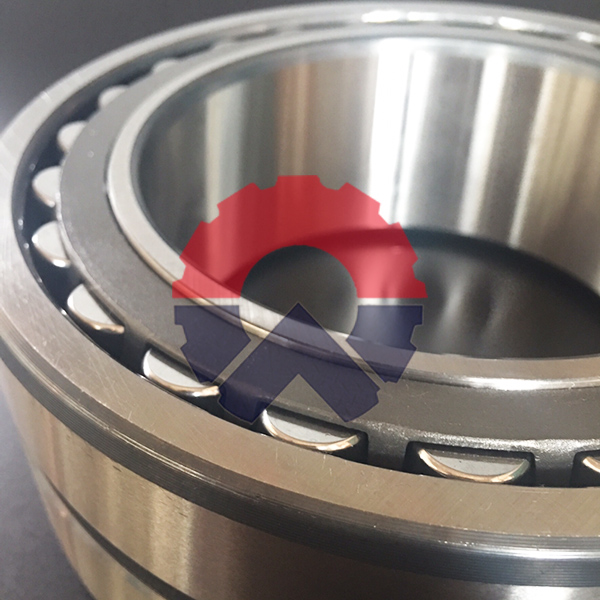
What is the Difference Between Self-Aligning Ball Bearings and Deep Groove Ball Bearings?
Bearings are essential components in a variety of mechanical systems, reducing friction and supporting loads to ensure smooth and efficient operation. Among the many types of bearings available, self-aligning ball bearings and deep groove ball bearings are two of the most commonly used. While both types are designed to reduce friction and improve performance, they have distinct differences in their structure, applications, and load capabilities
-
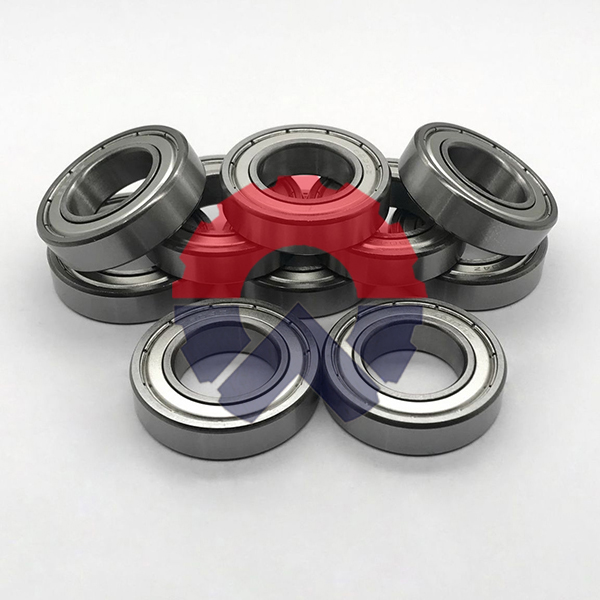
What Is Another Name for a Deep Groove Ball Bearing?
Deep groove ball bearings, a fundamental component in modern machinery, are also called single-row radial ball bearings. This alternate name highlights their primary design feature—a single row of balls designed to support radial loads. Known for their versatility and reliability, these bearings are vital in countless applications across various industries.
-
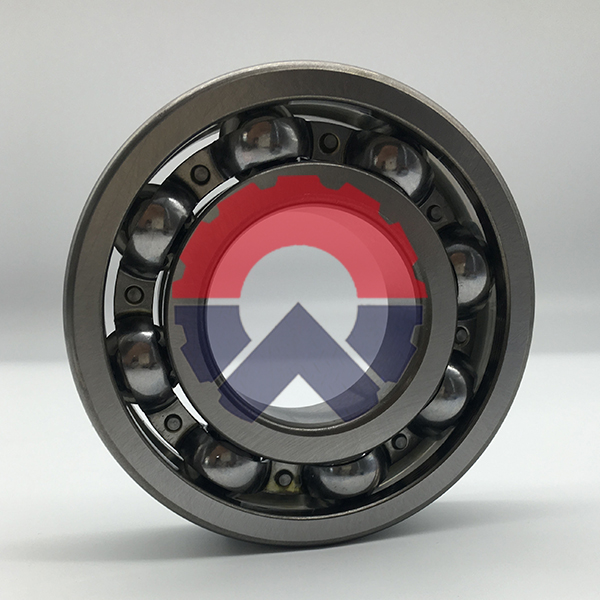
What Is the Purpose of a Deep Groove Ball Bearing?
Deep groove ball bearings are among the most widely used types of bearings, known for their versatility, durability, and efficient performance. Their primary purpose is to reduce friction between rotating and stationary components, ensuring smooth motion and prolonging the lifespan of mechanical systems. These bearings are designed with deep raceway grooves on both the inner and outer rings, which enable them to handle radial and axial loads effectively.
-
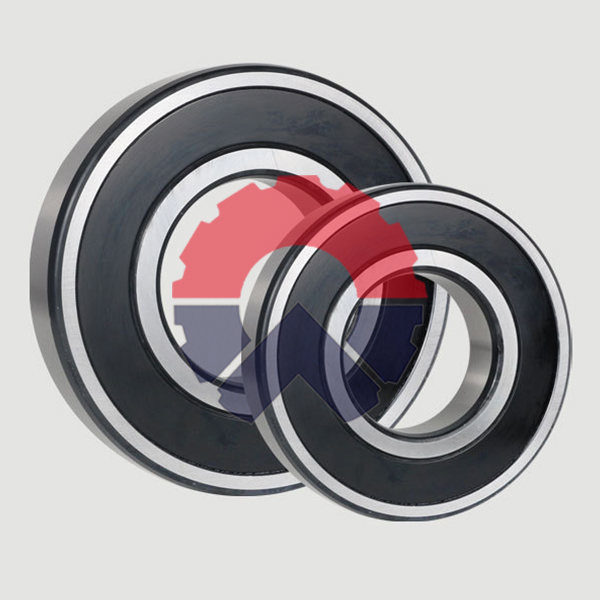
What is the Difference Between a Deep Groove Ball Bearing and a Tapered Roller Bearing?
Bearings are critical components in many mechanical systems, designed to reduce friction and support loads efficiently. Among the vast array of bearing types, deep groove ball bearings and tapered roller bearings are two of the most commonly used. While they serve similar purposes, their designs, applications, and performance characteristics differ significantly. Let’s explore these differences.
-
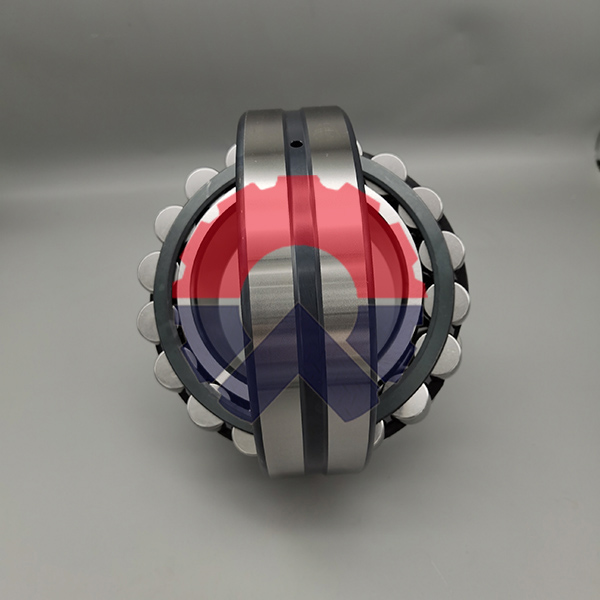
Are Roller Bearings Self-Aligning? Understanding Their Capabilities and Applications
Roller bearings are a critical component in many mechanical systems, providing smooth and efficient rotation while supporting heavy loads. Among the various types of bearings, there is often confusion about whether roller bearings are self-aligning and how this affects their use in different applications.
-
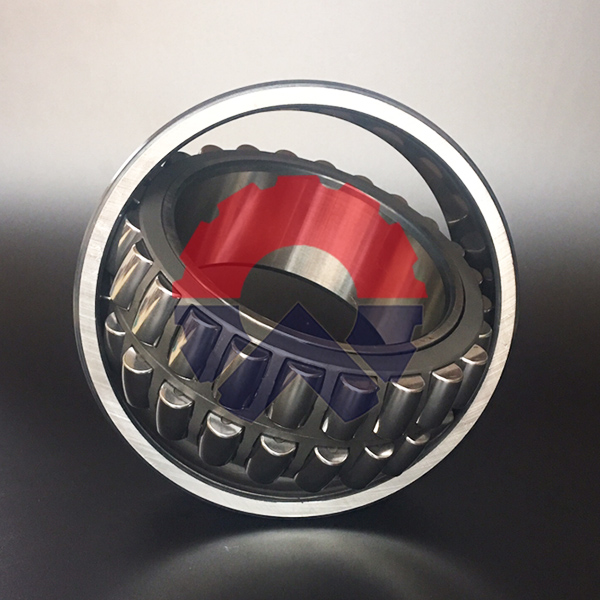
What Are the Advantages of Self-Aligning Bearings? A Closer Look at Their Benefits
Self-aligning bearings have become an essential component in various industrial applications, known for their ability to accommodate misalignment between the shaft and housing. This unique capability makes them invaluable in situations where perfect alignment is challenging to achieve or maintain. In this article, we explore the advantages of self-aligning bearings and how they contribute to improved performance and reliability in mechanical systems.
-
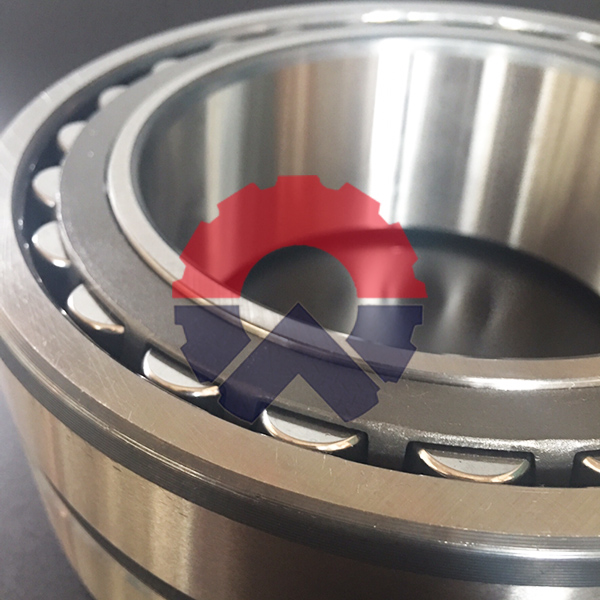
What is an Example of a Self-Aligning Bearing?
In the world of mechanical engineering, precision and reliability are key factors in ensuring smooth operation of machinery. One of the essential components that help achieve these goals is the self-aligning bearing. A prime example of this innovative technology is the Yuchuang Explorer series of self-aligning ball bearings.
-
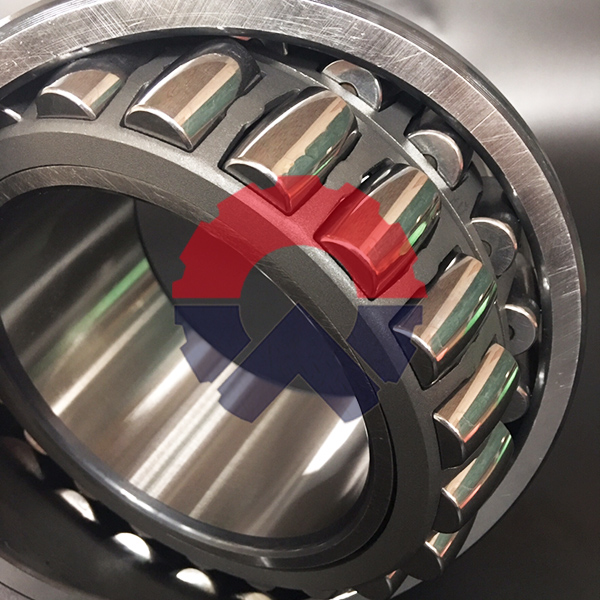
How Do You Install Self-Aligning Bearings? A Step-by-Step Guide
Self-aligning bearings are an essential component in many mechanical systems, offering the ability to accommodate misalignment between the shaft and the housing. This feature makes them ideal for applications where shaft deflection or misalignment might occur, providing smoother operation and reducing the risk of equipment failure. However, to maximize their benefits, it's crucial to install them correctly. Here’s a step-by-step guide on how to install self-aligning bearings properly.
-
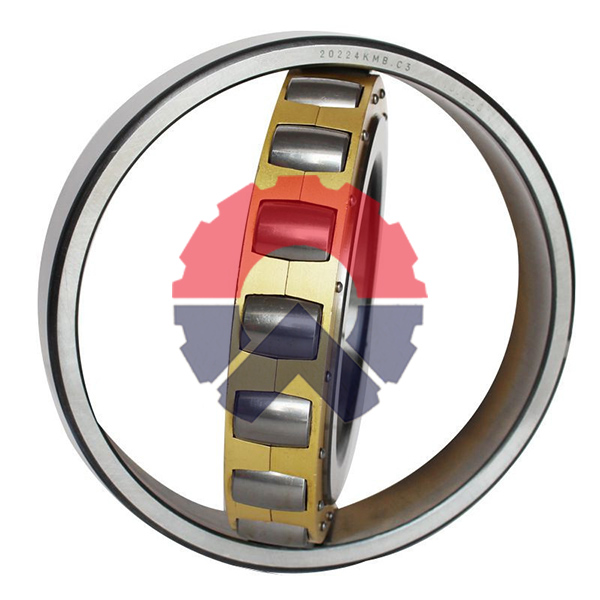
What are spherical roller bearings used for?
In high-speed rotating mechanical equipment, a key but often unknown component is silently playing a huge role - spherical roller bearings. This unique bearing design not only carries the stable operation of the machinery, but also shows excellent performance under a variety of extreme working conditions.
-
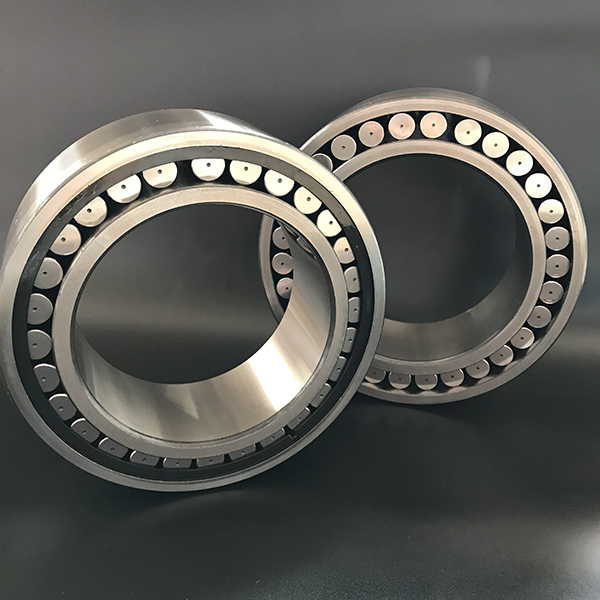
What are the Bearings Used in Machines?
In the realm of machinery, bearings play a pivotal role in ensuring smooth and efficient operation. Often referred to as the "heart" of mechanical equipment, bearings are essential components found in a wide range of machines, from automobiles and industrial equipment to aerospace and robotics. One sector where bearings are indispensable is agricultural machinery.
-
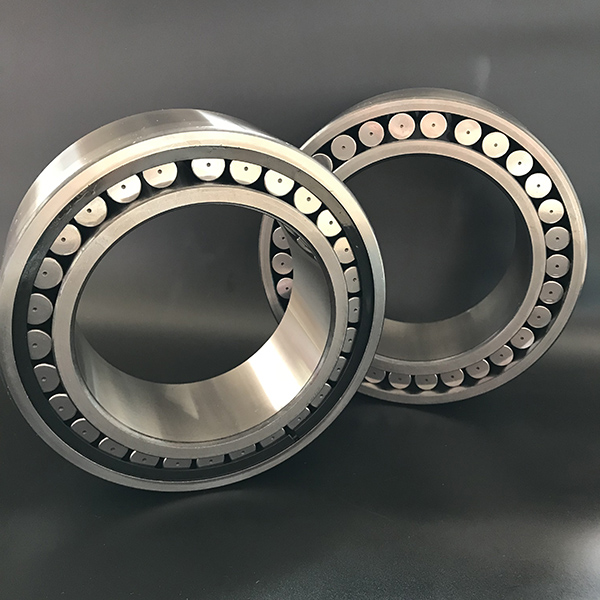
What are Agricultural Bearings?
Agricultural bearings are specialized components used in agricultural machinery to ensure smooth and efficient operation. These bearings play a crucial role in supporting the moving parts of various farming equipment, reducing friction and wear, and extending the lifespan of the machinery.
-
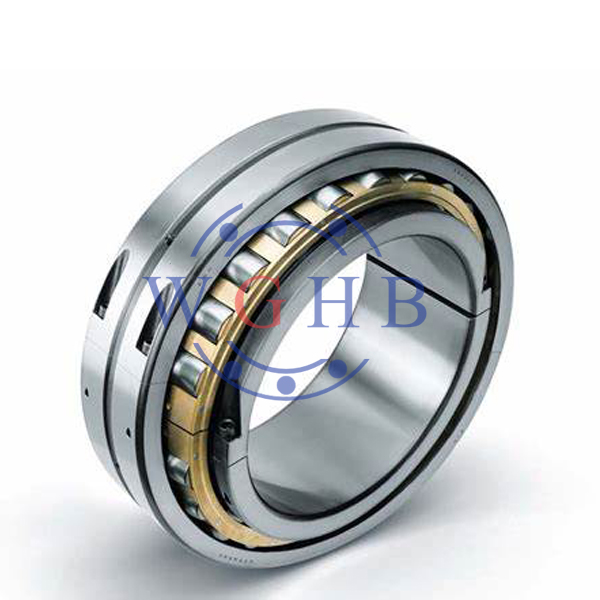
Where is a Split Plain Bearing Used?
In the intricate realm of mechanical engineering, bearings are an essential component for reducing friction and enabling smooth rotation in machinery. Among the various types of bearings available, split plain bearings stand out for their unique design and diverse applications.
-

Innovation leads the future: ADAPT bearings provide excellent solutions for industrial equipment
In the fast-developing industrial era, the efficient operation and reliability of equipment are crucial. Recently, ADAPT bearings have attracted widespread attention in the industry with their excellent performance and innovative design. As a bearing designed specifically for harsh working conditions, ADAPT bearings not only perform well in performance, but also show great potential in a variety of applications.
-
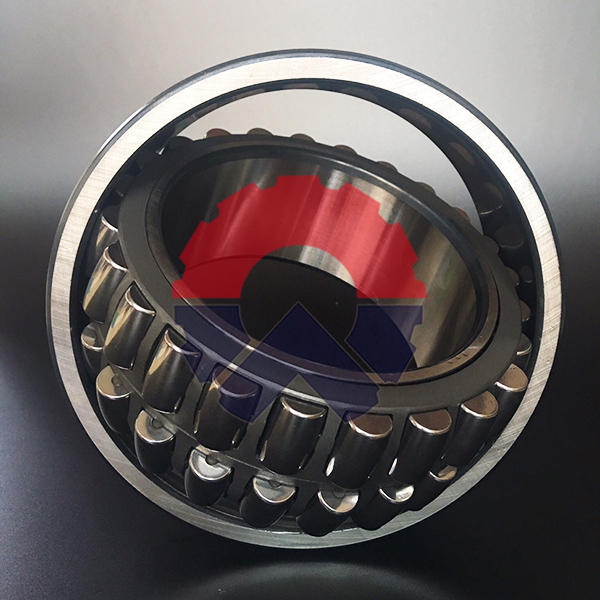
Spherical roller bearings: the heroes behind the efficient operation of industrial equipment
In the modern industrial field, bearings are widely used in various equipment as key mechanical components. In particular, spherical roller bearings have been widely used in reducer bearings, motor bearings and other roller bearings due to their unique design and superior performance.
-
Why do elevators use bearings: the key role behind the technology
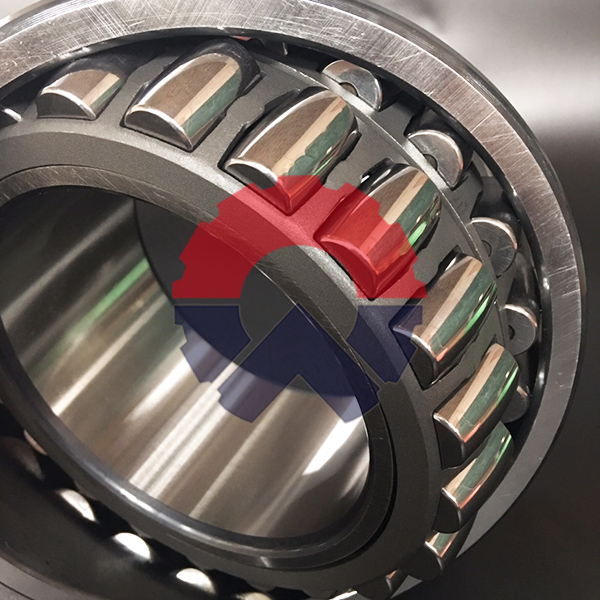
In recent years, with the acceleration of urbanization and the continuous increase of high-rise buildings, elevators have become an indispensable means of transportation in people's daily lives. In this seemingly simple vertical transportation equipment, bearings, as a key component, play a vital role.
-
What does Maximum Load Bearing Capacity mean? The Critical Role of High-Load Bearings
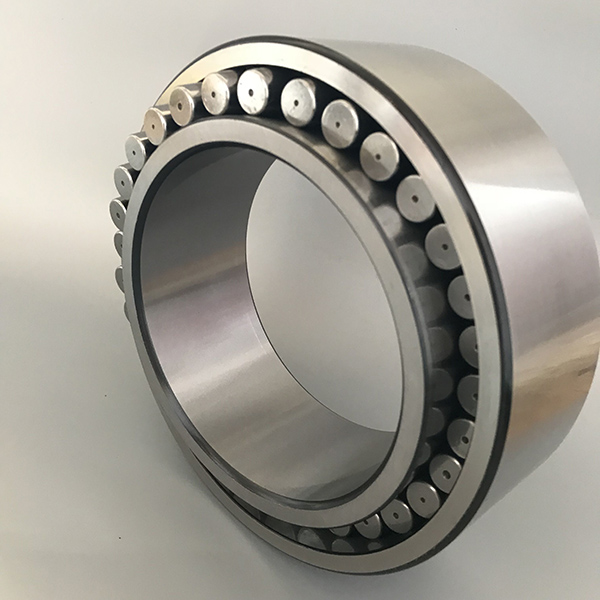
In the fields of mechanical engineering and industrial manufacturing, "maximum load bearing capacity" is a crucial concept. Whether building bridges, designing machinery and equipment, or developing heavy-duty transportation vehicles, understanding and correctly calculating the maximum load bearing capacity is essential to ensure the safety and reliability of structures and equipment.
-
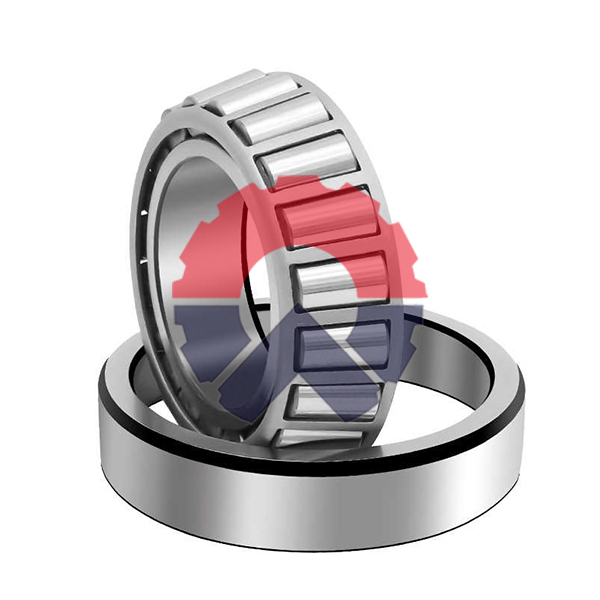
What is the Best Bearing for Heavy Loads?
In the world of mechanical engineering and machinery design, selecting the right bearing for heavy loads is crucial for ensuring durability, efficiency, and safety. After extensive research and development, industry experts have identified tapered roller bearings as the superior choice for handling heavy-load applications.
-
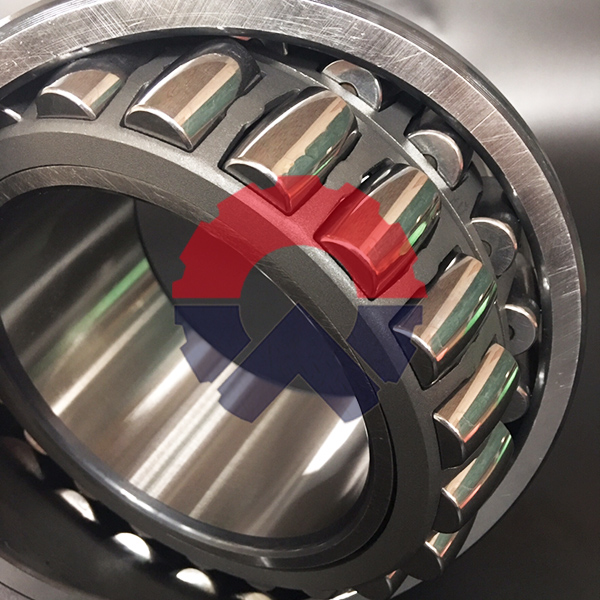
Which Bearing is Used for High Load? Exploring the Best Solutions for Heavy-Duty Applications
In the world of mechanical engineering and industrial machinery, the ability to handle high loads is a critical requirement for many applications. From construction equipment to heavy manufacturing, choosing the right bearing can make a significant difference in performance, reliability, and maintenance costs. But which bearing is best suited for high load conditions? Recent advancements and expert insights shed light on the top contenders in this demanding field.
-
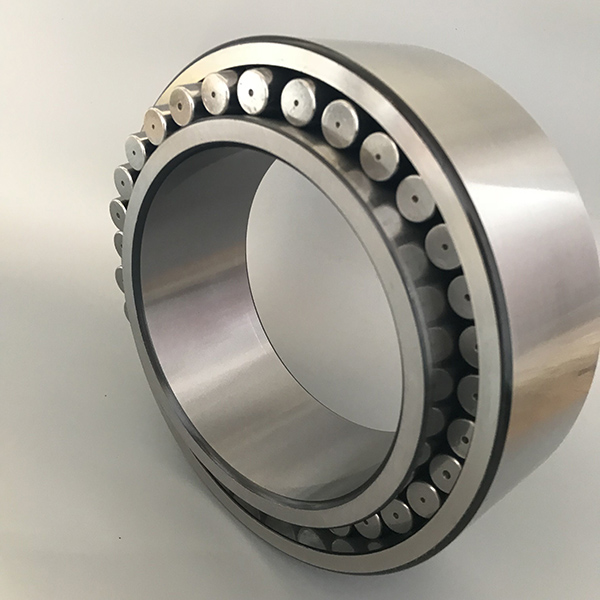
Revolutionizing Machinery: The Introduction of CARB Toroidal Roller Bearings
In a groundbreaking development for the mechanical engineering and manufacturing industries, the introduction of CARB toroidal roller bearings is set to revolutionize how we think about machinery performance and reliability. These innovative bearings, designed by SKF, offer a unique solution to many of the challenges faced by traditional bearing systems, promising enhanced efficiency, reduced maintenance, and extended operational life.
-
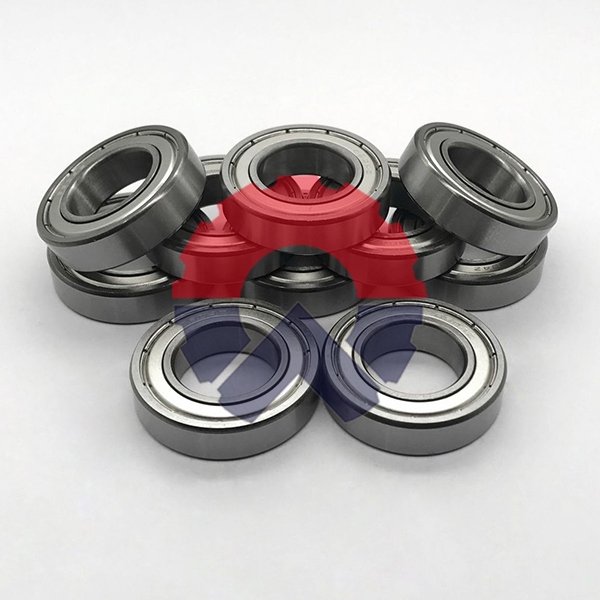
What is Deep Groove in Ball Bearing?
In the world of precision engineering and machinery, the deep groove ball bearing is a cornerstone component, renowned for its versatility and efficiency. The term "deep groove" refers to the raceway geometry within the bearing, which is designed to support substantial radial and axial loads, making it a preferred choice for a wide range of applications.
-
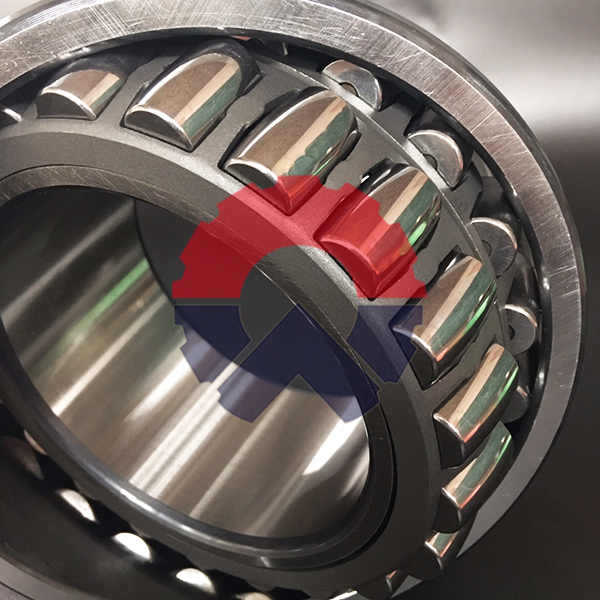
Exploring the Distinctions: Spherical Roller Bearings Versus Ball Bearings
In the machinery industry, spherical roller bearings and ball bearings are widely used, but what is the difference between them? Let’s explore it together.
-
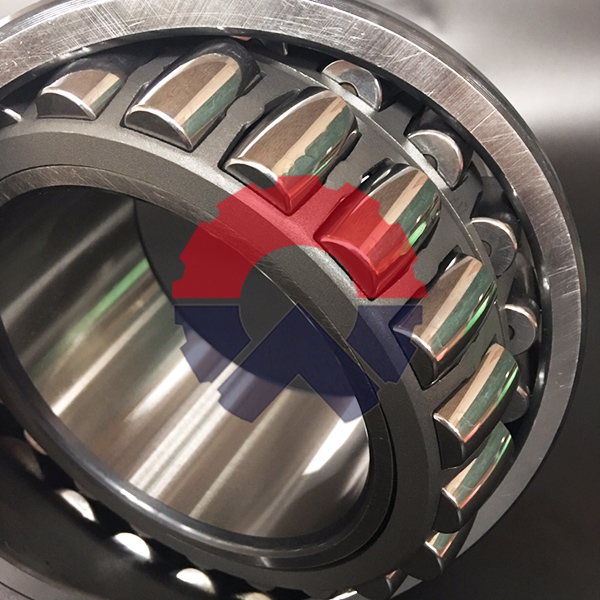
What is a spherical roller bearing used for?
In the realm of mechanical components, the spherical roller bearing is a pivotal element that has revolutionized various industries with its unique capabilities. This specialized bearing type is designed to withstand high radial loads, even when dealing with misalignment and shaft deflection, without compromising performance.
-
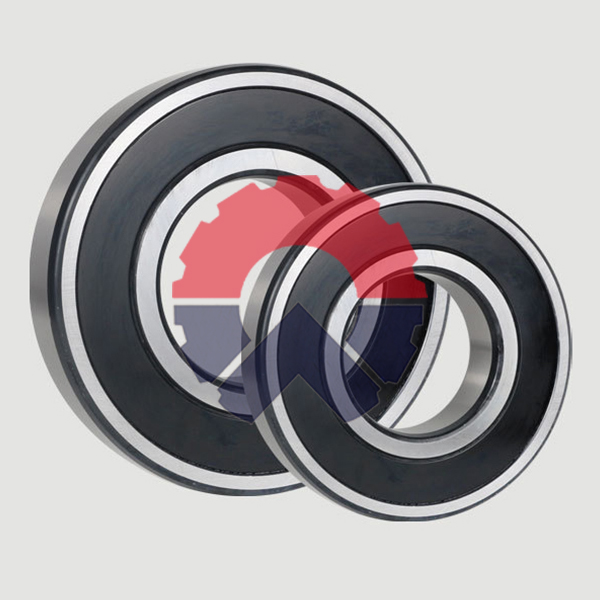
Where are Deep Groove Ball Bearings Used?
Deep groove ball bearings, the unsung heroes of modern machinery, find their utility across a wide spectrum of industries, silently powering everything from household appliances to heavy industrial machinery. These unassuming yet vital components play a crucial role in ensuring smooth and efficient operations across various sectors.
-
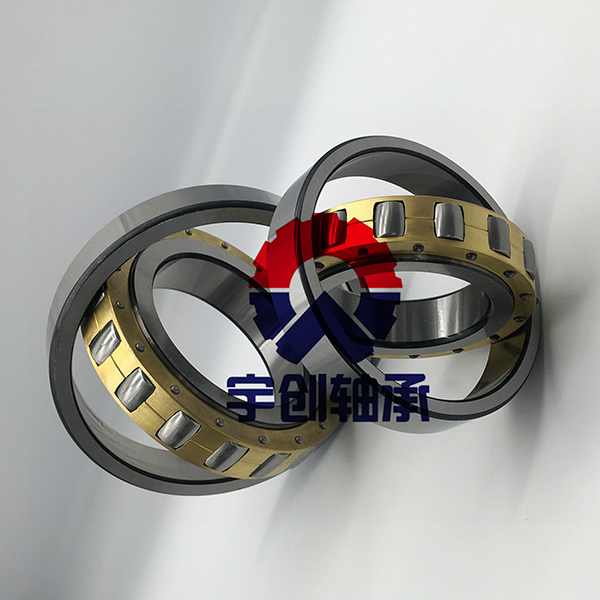
Single Row Spherical Roller Bearings: Breaking industry conventions and leading future trends
As a key component in the machinery industry, bearings have always played a vital role. Recently, a new bearing product called Single Row Spherical Roller Bearings (single row spherical roller bearings) was officially released, which has attracted great attention and heated discussion inside and outside the industry.
-
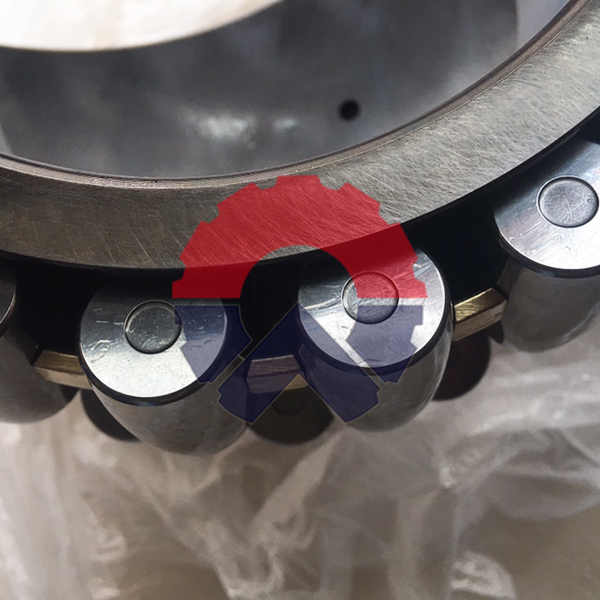
Leapfrogging Innovation: ADAPT High Load Bearings VS Open Spherical Roller Bearings
Recently, the comparison between ADAPT High Load Bearings (ADAPT high load bearings) and traditional Open Spherical Roller Bearings (open spherical roller bearings) has attracted widespread attention. The comparison between these two technologies is not only about performance and reliability, but also about a turning point in the future of the industrial field. Let’s explore their differences.
-
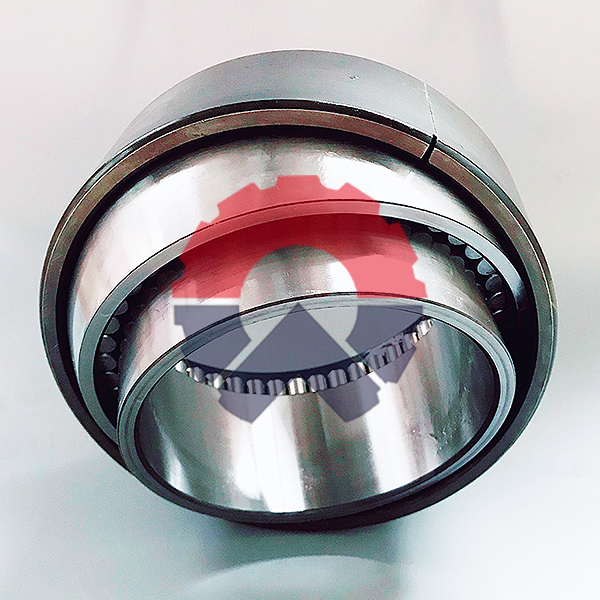
RUB Series Bearings: Revolutionizing Performance and Durability in Machinery
RUB series bearings are a specific type of bearings commonly used in industrial machinery and equipment. These bearings are designed to be extremely strong and durable, capable of withstanding high speed rotation and heavy loads. RUB series bearings are usually made of high-quality steel and undergo precision machining and heat treatment to ensure their performance and longevity. These bearings are commonly used in various applications such as automotive, aerospace, construction machinery, etc.
-
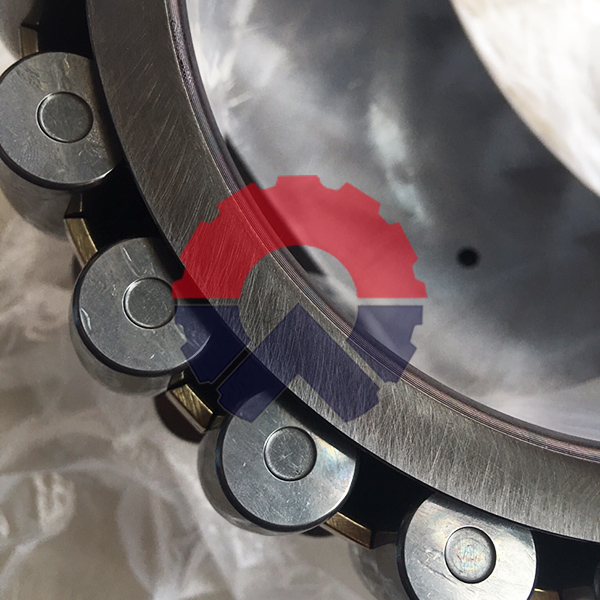
Self-aligning roller bearings: innovative technology for industry
In industry, bearings are a vital mechanical element used to support and guide rotating shafts. As an innovative bearing technology, self-aligning roller bearings have attracted widespread attention and application in the industrial field in recent years. This article will explore the principles, advantages and applications of self-aligning roller bearings in industrial production.
-
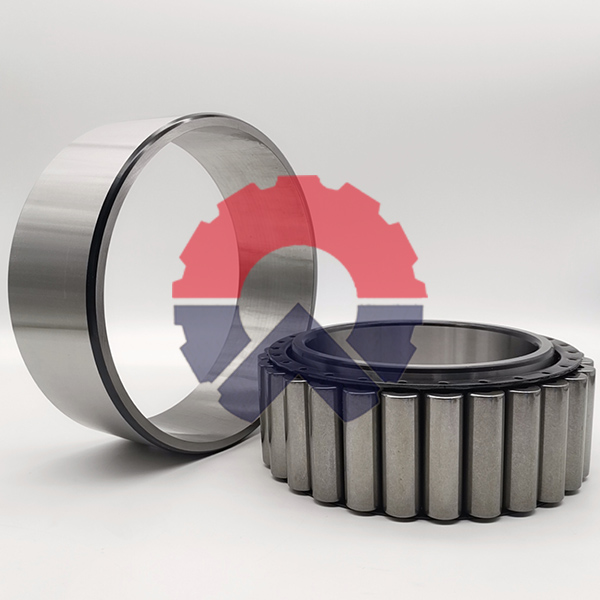
Industry Leader Introduces Open Spherical Roller Bearings for Enhanced Performance
In response to the growing demand for high-performance bearings in industrial applications, a renowned manufacturer has unveiled their latest innovation - Open Spherical Roller Bearings. These advanced bearings are designed to provide superior performance, durability, and reliability in a wide range of industrial settings.
-
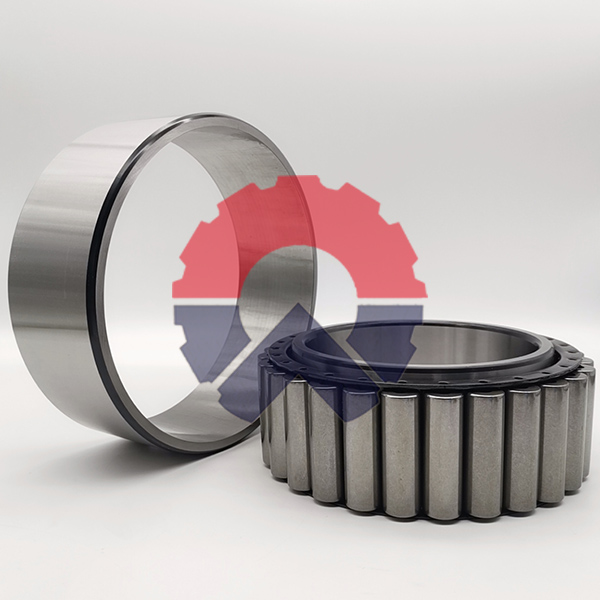
Sector Bearings Launches Innovative TA4022V High Load Bearings for Industrial Applications
Sector Bearings, a leading manufacturer of precision bearings, has announced the release of their latest product, the TA4022V high load bearings. These advanced bearings are specifically designed to withstand heavy loads and harsh operating conditions, making them ideal for a wide range of industrial applications.